Activating Managers: A Candid Conversation on Culture, Leadership, and Performance with Kate McKinnon
June 23, 2026
Key Takeaway: Activating managers means equipping them with the skills, support, and systems to consistently reinforce culture, drive performance, and build trust. Culture is shaped by manager behavior, recognition practices, and accountability, not just company values or policies.
Managers sit at the center of how organizations actually function. Not in theory, but in reality.
In a recent candid conversation, HR executive and leadership coach Kate McKinnon joined Alex Grande, founder of Recognize, to explore what it really takes to activate managers, build a strong culture, and improve performance in a workplace shaped by hybrid work, AI, and constant change.
The core theme was simple but powerful:
Culture is not what organizations say. It is what managers do every day.
What Does It Mean to Activate Managers?
Activating managers means enabling them to actively shape culture, performance, and employee experience, not just manage tasks.
It requires:
- Clear expectations from leadership
- Strong feedback and coaching skills
- Systems that reinforce behavior
- Consistent recognition and accountability
When managers are activated, culture stops being abstract and becomes operational.
Why Managers Matter More Than Ever

Managers act as the translators of the organization.
As Kate McKinnon explained, they:
- Translate executive strategy into team execution
- Bring employee sentiment upward to leadership
- Shape day-to-day behavior more than any policy or tool
- Influence engagement, trust, and retention directly
They are the conduit between vision and reality. And in today’s workplace, where employees bring their full selves to work, that role has become significantly more complex.
The Modern Reality of Management
One of the strongest themes in the conversation was that management today is fundamentally different than 10–15 years ago. Managers now operate in a system shaped by:
Emotional complexity
Employees bring stress, identity, uncertainty, and personal challenges into work.
Constant communication overload
Slack, Teams, email, and messaging tools create nonstop noise and fragmented attention.
Increased fear of missteps
Managers are more cautious about how feedback is delivered, especially in visible or recorded environments.
Legal and cultural pressure
Employment laws and social expectations have raised the stakes of leadership decisions.
Hybrid and distributed work
Leaders must now manage connections without physical presence.
The result is a management experience that often feels like “walking on potato chips”, careful, reactive, and high-pressure.
Culture Is Defined by What You Tolerate
A defining insight from Kate McKinnon was:
“Culture is only as good as the worst behavior an organization is willing to tolerate.”
Many companies say they value respect, collaboration, or integrity. But culture is tested when a high performer violates those values.
If output is rewarded while behavior is ignored, culture becomes inconsistent. This creates a long-term credibility gap between what is said and what is lived.
How Managers Lose Trust Without Realizing It
Trust does not break in dramatic moments. It erodes quietly. The fastest way managers lose trust is simple:
Not following through on commitments
When managers say one thing and do another, credibility drops immediately.
Other trust-breakers include:
- Inconsistent communication
- Avoiding difficult conversations
- Over-promising and under-delivering
- Lack of vulnerability or honesty
Interestingly, research shows that unpredictable managers are more damaging than consistently good or bad ones, because unpredictability creates anxiety and cognitive strain.
Employees can adapt to patterns, but they struggle with uncertainty.
Psychological Safety Is Built Through Behavior

Psychological safety does not come from HR programs. It comes from daily leadership behavior.
Managers build safety when they:
- Actively listen instead of reacting
- Assume positive intent
- Follow through on commitments
- Invite upward feedback
- Share challenges honestly
- Handle difficult conversations with care
Without these behaviors, feedback becomes filtered, not truthful.
Recognition Is Not Soft. It Is a Performance System.
Recognition came up as one of the strongest drivers of engagement and performance.
The key insight:
Everyone wants to be recognized, even executives.
Recognition is often misunderstood as a morale tool. In reality, it is a performance reinforcement system.
It impacts:
- Engagement
- Motivation
- Retention
- Cross-team collaboration
- Clarity of expectations
But recognition only works when it is:
- Specific
- Timely
- Personal
- Tied to meaningful behavior or outcomes
Generic praise quickly loses impact. And importantly, recognition is not one-size-fits-all. Some employees prefer public recognition, others prefer private acknowledgment.
Leading Indicators of Culture Risk
Instead of waiting for annual engagement surveys, organizations can monitor real-time signals such as:
- Recognition volume and frequency
- Cross-team collaboration activity
- Engagement patterns in Slack or Teams
- Peer-to-peer feedback trends
- Shifts in communication tone or participation
A decline in these signals can indicate early cultural risk long before performance metrics show impact. Recognition data, in particular, can act as a powerful leading indicator of employee engagement and organizational health.
The Manager Activation Gap: Training
A major challenge discussed was that most managers are never trained to lead. People are promoted because they are strong individual contributors, not because they are prepared to manage people.
As a result, managers are often expected to:
- Coach employees
- Give feedback
- Handle conflict
- Drive accountability
- Build culture
…without formal training.
This creates a leadership gap that organizations rarely address systematically.
Generational Differences in the Workplace
With multiple generations now working side by side, misunderstandings are common, but the biggest misconception is this: assuming intent based on age.
Common stereotypes include:
- Younger employees are entitled or disengaged
- Older employees are rigid or resistant
In reality, these are communication differences, not character flaws.
The most effective organizations focus on:
- Mentorship programs
- Reverse mentoring
- Employee Resource Groups (ERGs)
- Structured feedback systems
Diversity of thought is not just a cultural initiative. It is a performance advantage.
How Managers Can Adapt Without Lowering Standards
A strong theme in the conversation was that empathy and performance are not opposites. Managers do not need to lower expectations to be effective.
Instead, they need to:
- Understand what motivates each employee
- Provide clarity around expectations
- Balance accountability with humanity
- Focus on both performance and behavior
As Kate emphasized, you can get results faster by focusing on both the outcome and the person behind the outcome.
What Every Employee Wants From a Manager
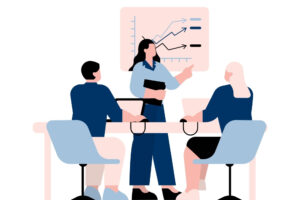
Across generations, roles, and industries, one theme remained consistent:
People want to feel heard!
This translates into:
- Trust
- Respect
- Psychological safety
- Consistent communication
- Active listening
Active listening, truly hearing and reflecting back what someone is saying, remains one of the most underused leadership skills in modern organizations.
Final Thoughts
Activating managers is not about adding more tools or dashboards. It is about clarity, behavior, and consistency.
Culture is built in everyday moments:
- Whether commitments are kept
- Whether feedback is handled well
- Whether recognition is meaningful
- Whether behavior matches stated values
As Kate McKinnon shared, leadership today is harder than ever, but also more important than ever.
Organizations that invest in managers as culture carriers, not just task managers, will be the ones that build resilient performance and sustainable engagement at scale.
Watch the webinar HERE