Activating Managers: A Candid Conversation on Culture, Leadership, and Performance
Speakers
Watch the Recording
Watch Now →About This Session
Your managers are the single biggest lever in shaping culture and driving performance, but most organizations don’t give them what they need to succeed.
In distributed and fast-paced environments, managers are often left navigating competing priorities, evolving expectations, and teams that don’t all work the same way.
In this fireside chat, we’ll sit down with Kate McKinnon to talk about what it really takes to activate managers in today’s workplace. Drawing from her experience in high-performance environments, Kate will share how leaders can build trust, drive accountability, and create meaningful team connections, whether their people are remote, hybrid, or on the frontlines.
This is a candid conversation on what works, what doesn’t, and how to turn managers into the leaders your culture depends on.
⭐ Key Takeaways
• What separates average managers from truly effective leaders
• How to build trust, connection, and accountability across distributed teams
• Ways to better equip and support managers in real-world conditions
• How managers influence both culture and performance—every day
• Practical insights you can apply immediately, no matter your team structure
Speakers & Hosts
Meet the people leading this session. Full bios and titles are shown below.
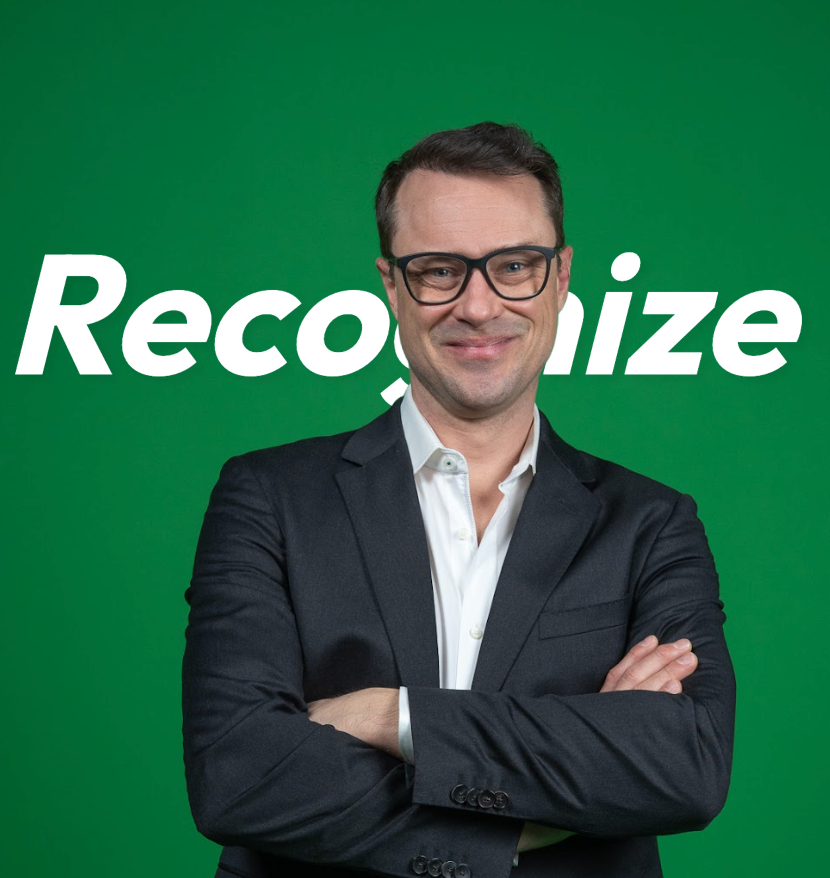
CEO and Co-Founder, Recognize
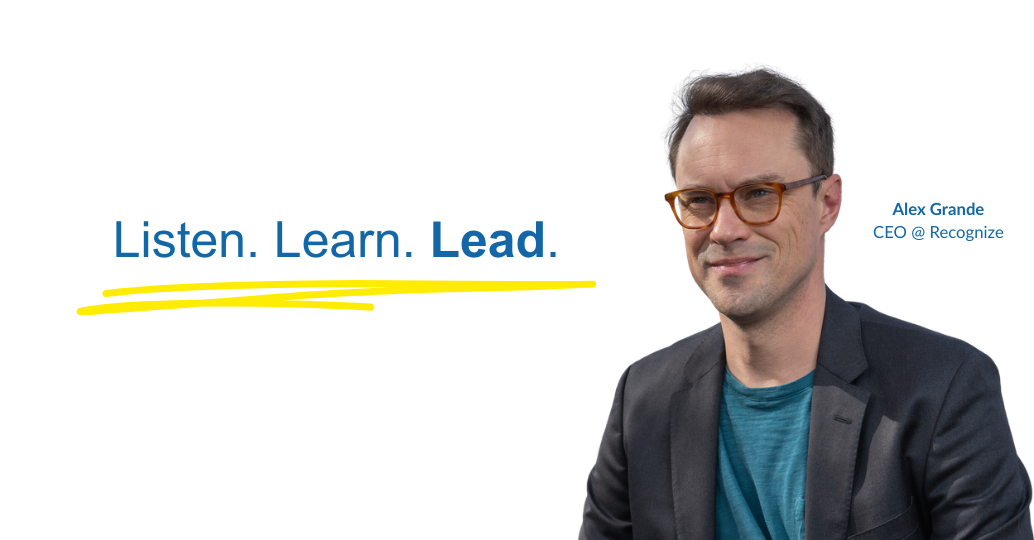
Alex Grande is a web developer with a passion for motivation and human behavior. Alex has spent over a decade engineering the "Human API", using technology to scale the fundamental psychological need for appreciation.
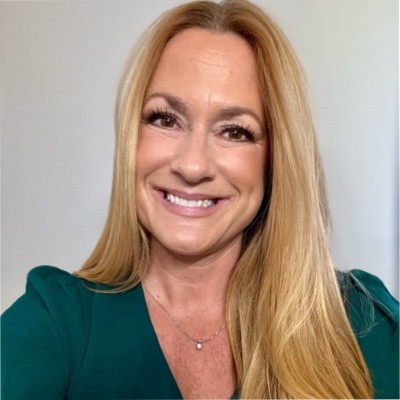
Chief People Officer, Kate McKinnon HR Solutions
Kate McKinnon is an HR executive and coach who helps organizations build people-first cultures and develop leaders. Former Head of HR at Playfly Sports, she now partners with companies on coaching, leadership development, and people strategy, and supports former athletes, veterans, and early-career professionals through career transitions.
Transcript
Alex Grande:
Welcome everyone! W have an awesome kind of interview-style, ad hoc conversation with Kate all on that, and I'll introduce us both in a second. But while we wait for people to join in, it's awesome to see 50 people here so far.
Write in the comments. We're all here together in person, so let's connect. Put in the chat something you're looking to get out of this, and maybe where you are or your industry. There may be other people in this room right now that can connect with you on things that you're interested in and find commonalities, find connections. That's what's so cool about being in these events.
I mean, look through the people that are here. So please share what industry or where you are, something that you want to get out of this.
I'm hoping to learn a little bit more, again, around managers, and learning what Kate has seen on how to activate managers. Something that we've seen in our work is that when you activate managers, it becomes a flywheel of activity, but the managers need to know what to do. They need to hear from leaders what to do, and we'll talk about that with Kate.
But it's great to see people calling in from Vancouver. We always have people from Vancouver. I love that. Our sister city in the north here in Seattle. I'll be in Vancouver actually on Friday or Saturday. I'll be up in Squamish for the weekend. I'm really excited about that.
Chattanooga, I love Chattanooga. Beautiful town and a lot of great food, a lot of great nature, waterfalls. Great to see everyone here.
We got… let's see, I think I saw Austin. I used to live in Austin, love going there. I go there every 3 to 6 months. I'm in Austin, so if you ever want to connect, please connect with me, and we'll share how to do that in a second.
San Francisco also, love San Francisco, used to live there as well. Mexico City, great. I spent a lot of time there as well. Love Mexico City. Great food, obviously.
You know, being American, we're in Condesa usually, we're in Roma, but I do love the culture. And wow, Hawaii? So much fun.
Okay, well this is great. We now have 66 people in the room. Thanks everybody for coming in. Think of something to ask later because we're going to have a chance for you all to talk to Kate and ask questions as well, or to me.
So please think about those things, and you can share them in the chat. We have a team of people listening in to make sure that your questions are heard.
So just a little bit about me. I'm Alex Grande. My background and the things I'm passionate about are psychology, motivation, web development, technology, innovation.
I founded a tool called Recognize. It's an employee recognition and reward software that uses gamification and rewards in 150 countries to make your company more fun, better culture, and drive the values of the organization.
I talked to an HR director yesterday, and she couldn't list her company values. Why is that? Because they're just in a notebook somewhere. We need to make them living and breathing through gamification, through continuous reinforcement of what success looks like, and sharing that in the Microsoft ecosystem, sharing that in Slack, in Teams, and SharePoint.
So connect with us. That's my email address. You can connect right to me. I do answer every email that comes in.
And we're so lucky to have, without further ado, Kate McKinnon.
Kate McKinnon:
Thank you! Thank you for having me, and I have to say I'm very jealous of the individual that I saw pop up that is in Hawaii right now.
Alex Grande:
Yeah, we need to have maybe a team gathering in Honolulu.
Kate McKinnon:
Yes.
Alex Grande:
Well, yeah, so I'm just going to turn off the sharing of the screen for now. We'll talk more about a couple things at the end. But really, this is a conversation more than anything. That's what's so fun about this.
We all know that managers make a big impact on the employee experience, but why do you think managers matter so much?
Kate McKinnon:
Yeah, I think the reason comes down to the fact that they're sort of the translators. They are talking to executives, cascading executive ideas, thoughts, and direction to the employees they support, and vice versa. They're communicating upwards to help executives understand the mindset, culture, and feel of the organization.
They are this conduit that is critically important. Pouring into managers, especially that middle management layer, is incredibly important in the workplace right now.
Alex Grande:
And you mentioned communication up. I think people are often afraid to do that because it can feel like criticism.
So how do you create psychological safety so managers can communicate upward?
Kate McKinnon:
Trust is key. Actively engaging with employees and managers builds that trust. Feedback up and down, and actually doing something with it, is what builds trust.
People need to understand that feedback doesn't come with repercussions. It’s about actively listening and assuming positive intent.
Taking the personal element out and reflecting on why feedback is being given—that shift is critical.
Alex Grande:
What are some of the biggest challenges managers face today that weren't present 10 or 15 years ago?
Kate McKinnon:
COVID changed everything. Leaders are managing far more than before, including the emotional and psychological state of employees.
Then add AI, social media, and political climate—there are so many influences on how people feel at work.
People bring their full selves into work, and managers have to manage all of that.
Employment laws are also more employee-friendly, which adds caution in management.
It's a tough time to be a leader. Many are choosing to step back into individual contributor roles.
Alex Grande:
It can feel like walking on potato chips.
Kate McKinnon:
Yes.
Alex Grande:
Managers are worried about saying the wrong thing that could end up on social media.
Kate McKinnon:
Absolutely. There’s a lot of carefulness and fear of missteps or public exposure. Even in education, people are afraid of difficult conversations or not equipped to have them.
Alex Grande:
Everyone comes to work with an undercurrent of their own life state.
What can managers do without budget to better connect with their teams?
Kate McKinnon:
Everything is competing for attention—Slack, email, text.
Intentional conversations matter. Limiting distractions matters. Being proactive instead of reactive is key.
Otherwise everything becomes a transactional check-in instead of a real human check-in.
Alex Grande:
When you look at strong cultures, what role do managers play?
Kate McKinnon:
Everything. Culture is what people do, not what is written.
Culture is only as strong as the worst behavior an organization tolerates.
Alex Grande:
I love that. It’s about alignment with mission and values.
Alex Grande (continuing):
There was a company value like “no jerks here,” but a high performer was tolerated despite being toxic. That is real culture.
Kate McKinnon:
Exactly. Output over behavior creates a slippery slope.
Alex Grande:
It’s like the weakest link effect—one negative person can shift the whole group dynamic.
Kate McKinnon:
Yes. That’s why standards and boundaries matter so much.
Alex Grande:
What are the fastest ways managers lose trust?
Kate McKinnon:
Not doing what they say they will do.
Also, vulnerability builds trust. Saying “this is hard, but we can do it together” builds trust.
Alex Grande:
Psychological safety is critical.
Kate McKinnon:
Yes.
Alex Grande:
There’s a book called How Full Is Your Bucket? about positive deposits building trust.
Kate McKinnon:
Yes, it’s a great concept.
Alex Grande:
We often underestimate the power of recognition.
But it can also feel transactional if not done well.
Kate McKinnon:
Recognition should be specific, timely, and meaningful. And not everyone wants public recognition. You have to know your people.
Alex Grande:
Predictability builds trust.
Kate McKinnon:
Yes, unpredictable managers are actually worse than consistently bad ones.
Alex Grande:
Let’s talk about a chat question:
Do you have advice for when senior leaders tolerate behavior issues because of friendships or “boys club” dynamics?
Kate McKinnon:
It depends on context, but it’s important to highlight the impact of inaction.
Use engagement surveys, data, and managers who can communicate concerns upward constructively.
HR can also help bridge that conversation.
Alex Grande:
I’ve seen similar situations. Sometimes it’s organizational inertia or legacy promotions.
Anonymous surveys can help surface issues safely.
Sometimes you also have to decide if the organization is the right fit.
Kate McKinnon:
Yes, context matters. It’s about framing concerns in a non-threatening way focused on organizational success.
Alex Grande:
Another question: leading indicators for culture risk?
Alex Grande:
Recognition data is a strong indicator. So is collaboration data in Slack or Teams. Changes in engagement patterns matter.
Kate McKinnon:
Agreed.
Alex Grande:
What about anonymous vs identified surveys?
Kate McKinnon:
Most organizations start with anonymous surveys. Even if they claim radical candor, anonymity encourages honesty.
Alex Grande:
Recognition directly impacts engagement and performance.
Everyone wants to feel seen.
Kate McKinnon:
Yes. Even executives want recognition.
Alex Grande:
How do you avoid recognition feeling forced?
Kate McKinnon:
Make it specific and aligned to behavior or outcomes. And personalize how recognition is delivered.
Alex Grande:
We have a poll—what recognition programs do you use?
Alex Grande (after results):
Interesting to see a mix of programs. Service anniversaries are still common, but peer recognition is growing.
Alex Grande:
Let’s talk generational differences.
Kate McKinnon:
We’ve never had this many generations in the workplace at once.
Misconceptions exist on all sides—young employees are labeled entitled, older employees are labeled rigid.
But it’s about communication differences, not value differences.
Alex Grande:
Diversity of thought matters.
Kate McKinnon:
Yes. Mentoring and reverse mentoring are powerful tools, along with ERGs and employee-led communities.
Alex Grande:
ERGs are powerful for connection and belonging.
Alex Grande:
How do managers adapt without lowering standards?
Kate McKinnon:
You can maintain high standards while being empathetic. Performance and humanity are not mutually exclusive.
Alex Grande:
What does everyone want from a manager regardless of generation?
Kate McKinnon:
Trust, respect, and feeling heard.
Alex Grande:
Active listening is so underrated.
Alex Grande:
We also have a poll on how we did today.
We run live demos of Recognize regularly, including raffles and rewards.
Thanks everyone for joining.
Kate McKinnon:
Thank you for having me. It was a great conversation and I look forward to the next one.