How to Motivate and Retain a Productive Manufacturing Workforce
The Business Case for Recognition in Manufacturing
How Recognition Drives Loyalty and Job Satisfaction
Employee recognition is crucial for job satisfaction and retention. Research shows that regularly recognized employees are more engaged, with 36% reporting higher productivity and 22% showing greater commitment.
In manufacturing, where much of the work is behind the scenes, small gestures like a personal thank-you or public acknowledgment can make employees feel valued, boosting their motivation and loyalty.
Recognition doesn’t need to be grand. Simple, consistent appreciation fosters a more engaged, committed workforce.
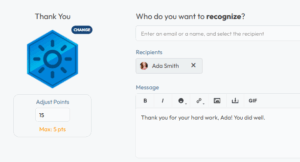
The Power of Feeling Seen
At the core of employee satisfaction is the desire to feel seen and appreciated. A quick shoutout during a meeting or a personal “thank you” from a supervisor can do wonders for morale. Recognition fuels motivation and strengthens a worker’s connection to their role.
As Daniel Goleman, a renowned psychologist, points out in his work on “Emotional Intelligence”, recognition helps fulfill employees’ fundamental need for emotional validation, which in turn boosts their performance and commitment. When employees feel valued, their loyalty and engagement naturally grow.
Recognition in Manufacturing: A Necessity
In manufacturing environments, where much of the work occurs behind the scenes, employee recognition is crucial. Acknowledging employees’ efforts fosters a sense of value and belonging, leading to increased job satisfaction and commitment.
Research indicates that 87% of employees feel that meaningful recognition significantly impacts their job satisfaction. Furthermore, companies that implement effective recognition programs experience a 31% reduction in voluntary turnover.
Yet, recognition is often overlooked on the floor or out in the field with customers. This presents an opportunity for manufacturers to strengthen engagement by making appreciation a consistent part of their workplace culture. When employees feel genuinely seen and valued, they’re more likely to stay motivated and go the extra mile.
Building Loyalty Through Appreciation
In manufacturing, where finding and training new staff can be time-consuming and expensive, employee loyalty is key. When workers feel genuinely appreciated, they’re more likely to stay committed to their role and the company.
Simple acts of recognition, thanking someone for hitting a target or acknowledging consistent effort, can go a long way in building long-term loyalty. Over time, this strengthens team stability, reduces recruitment costs, and supports a more motivated workforce.
The Impact on Retention
According to a study by SHRM (Society for Human Resource Management), 68% of HR professionals agree that recognition plays a crucial role in employee retention. It’s not about extravagant awards; simple, consistent recognition often makes the biggest impact.
The Link Between Recognition and Lower Turnover
Turnover in manufacturing isn’t cheap. Recruiting, training, and getting a new hire up to speed can take weeks or even months. And all that time is lost productivity. But recognition? It’s like glue for retention.
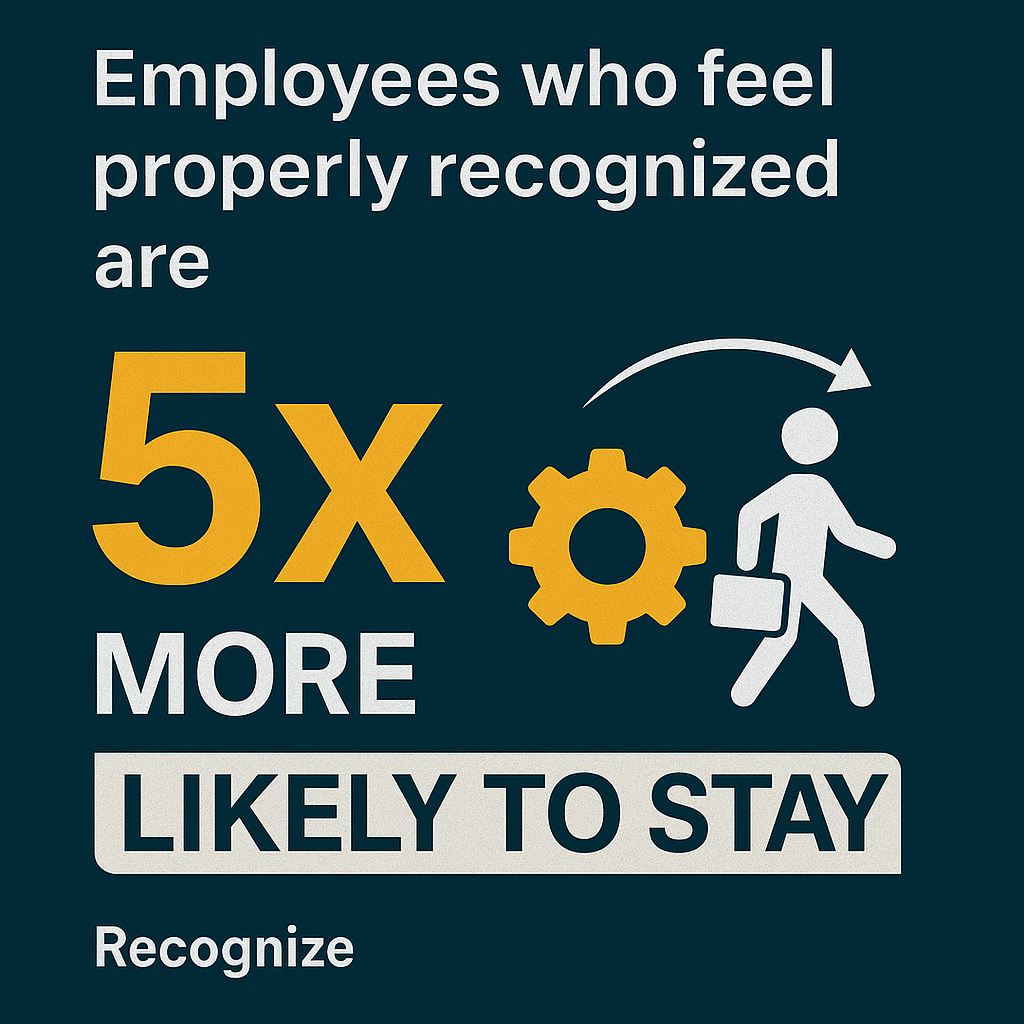
Gallup found that employees who feel properly recognized are five times more likely to stay in their jobs. In high-turnover industries like manufacturing, that’s not just helpful, it’s essential.
Recognition combats burnout and disconnection, two major causes of turnover. It also builds loyalty. When workers know their efforts are noticed, they’re more likely to stay, and they’re more likely to recommend the company to others.
Proven Success: Real-World Recognition in Manufacturing
To truly understand the business case for recognition in manufacturing, it helps to look at companies that have put it into practice. From improved engagement to reduced turnover, these real-world case studies highlight how thoughtful recognition strategies can deliver measurable results on the factory floor.
Case Study 1: Tanga Cement Company, Tanzania
A study conducted at Tanga Cement Company in Tanzania examined the impact of recognition on employee performance. The research found that recognition programs significantly boosted employees’ desire to perform better, enhanced dedication, increased job satisfaction, and improved morale, thereby influencing productivity and teamwork.
“Personal recognition fosters enhanced dedication, aligning with motivation theories. Receipt of recognition letters validates hard work, increasing job satisfaction and loyalty.”
— ResearchGate Study
Case Study 2: Harwood Manufacturing Corporation
In the mid-20th century, Harwood Manufacturing in Virginia pioneered organizational psychology by implementing participatory action research. The company introduced group decision-making and self-management practices, leading to improved employee morale and productivity.
“The Harwood study is considered the first experiment of group decision making and self-management in industry and the first example of applied organizational psychology.”
— Harwood Research