How to Motivate and Retain a Productive Manufacturing Workforce
Measuring Success: Engagement Metrics & Continuous Improvement
Tracking KPIs to Enhance Engagement and Retention
KPIs aren’t just numbers on a report; they reflect the health of your workforce. The right metrics give you a clear picture of where your team stands, helping you identify areas for improvement and celebrate where you’re succeeding. These indicators aren’t just for tracking performance; they offer real insights into employee engagement and retention.
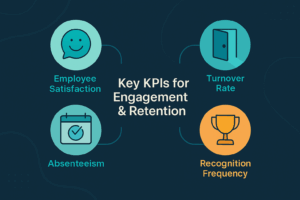
Key KPIs That Matter
Employee Satisfaction Scores: Survey results show how employees feel about their roles, teams, and leadership. These scores offer a snapshot of overall morale and can help you gauge how connected employees feel to the company.
Turnover Rate: If turnover is high, it’s often a sign that employees are disengaged, unrecognized, or struggling with work-life balance. Compare this metric to industry standards to get a clearer view of where you stand.
Absenteeism: Frequent unscheduled absences may indicate burnout or low morale. Tracking absenteeism can point to underlying issues and help you provide the support employees need.
Recognition Frequency: Regular recognition leads to better engagement. It’s important to track how often employees are recognized, ensuring that positive behavior is consistently acknowledged.
Internal Mobility: When employees move up or across departments, it shows a culture of growth and opportunity. High internal mobility means employees are learning new skills, advancing, and staying with the company.
As Peter Drucker once said, “What gets measured gets managed.” These KPIs are not just numbers; they’re the key to understanding engagement and retention in real-time. With the right focus, they help you make adjustments that keep morale high and employees loyal.
How to Analyze and Act on Employee Feedback
Feedback is invaluable, but only if you listen and take action. Whether it’s gathered from surveys, one-on-ones, suggestion boxes, or casual conversations, the real value lies in how you use it. Here’s how to make feedback truly actionable:
Look for Patterns
One piece of feedback can be insightful, but recurring themes provide the real insight. If multiple employees mention burnout or lack of recognition, it’s a sign that action is needed. Identifying these patterns allows you to address root causes, whether it’s adjusting workloads, improving work-life balance, or creating a more consistent recognition program.
Don’t Just Measure, Analyze
It’s important to break feedback down by department, team, or demographic to spot trends that may not be obvious at first glance. Analyzing feedback this way helps you pinpoint specific areas that need attention, such as a department feeling disconnected or employees in one group lacking professional growth opportunities. Acting on these insights can help tailor initiatives that address unique challenges within each group.
Close the Loop
Collecting feedback is only half the process. Following up is equally important. Whether through an email, team meeting, or one-on-one, letting employees know what actions you’re taking shows them their input matters. When employees see changes based on their feedback, it not only improves their morale but also encourages more open communication moving forward.
Real-World Examples of Manufacturing Companies Improving Retention
Some companies have made engagement work, and their results speak for themselves. These examples show how focusing on employee needs and acting on data can significantly improve retention.
1. Heineken: Revamping Recognition to Boost Engagement
Heineken recognized that its existing reward and recognition program was only reaching a small percentage of staff. To address this, the company rebranded and repackaged its program, creating a seamless user journey and adding a diverse range of awards that encourage values-led behavior. As a result, there was a 50% increase in the number of employees recognized by their peers.
2. O’Neal Steel: Enhancing Onboarding to Improve Retention
O’Neal Steel implemented a comprehensive 6-month onboarding program designed to help new hires in their warehouse operations feel welcome and engaged in their roles. This initiative aimed to prevent early turnover and foster a sense of belonging and commitment among new employees.
3. Philips: Simplifying Structure to Increase Engagement
Philips undertook a significant restructuring plan to simplify its operating model and enhance employee engagement. By reducing roles and focusing on a leaner structure, the company improved its employee engagement score by 8 percentage points over 12 months. This shift demonstrated the positive impact of organizational clarity and accountability on employee morale.
4. Benesch: Strengthening Culture Through Feedback
Benesch, a leading engineering firm, prioritized employee engagement by strengthening its workplace culture. The company utilized engagement tools to collect real-time feedback through pulse surveys and assessments. This approach allowed leaders to identify concerns early, implement targeted interventions, and enhance manager-employee relationships, leading to a more engaged workforce and improved retention.
5. Norican Group: Aligning Culture and Learning
Norican Group focused on aligning culture and learning across its manufacturing operations. By addressing barriers to employee alignment with company values and objectives, the company enhanced employee engagement and productivity. Tailored communication, acknowledgment initiatives, and engaging functionalities helped employees experience a sense of appreciation and connection with the company.
Continuous Improvement Strategies to Boost Engagement
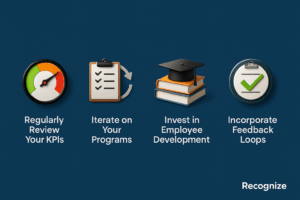
Engagement isn’t a one-time fix. It’s an ongoing process that requires constant attention and improvement. The most successful companies don’t just track engagement; they continuously refine their strategies. Here’s how you can embed continuous improvement into your engagement efforts:
- Regularly Review Your KPIs: Track your engagement scores, turnover rates, and absenteeism. Review these metrics quarterly to understand trends. This allows you to spot issues early and make adjustments as needed, keeping your strategies aligned with employee needs.
- Iterate on Your Programs: If something isn’t working, change it. Use feedback and results to adapt your recognition programs. Don’t hesitate to try new ideas or tweak existing ones. The key is to keep evolving and find what resonates best with your team.
- Invest in Employee Development: Provide opportunities for growth like cross-training, mentorship, and leadership programs. When employees feel they can grow within the company, they stay engaged and committed to their roles, improving retention.
- Incorporate Feedback Loops: Don’t make surveys and check-ins an annual event. Make them regular and frequent. Short, consistent surveys keep you in tune with how employees are feeling, so you can act on their needs and concerns in real time.